"President Biden Rejects Containment, Forges Historic Ties with Vietnam"

In a historic visit to Hanoi, President Joe Biden has emphatically denied that the United States is engaged in any effort to stifle China's global influence. The visit marked more than half a century since the last American soldier departed Vietnam and culminated in the signing of a Comprehensive Strategic Partnership, signifying a significant upgrade in U.S.-Vietnam relations.
This strategic partnership between the United States and Vietnam represents the pinnacle of a sustained, two-year-long effort by Washington to bolster its ties with Vietnam, positioning it as a key partner in countering China's expanding influence across Asia. It is a diplomatic milestone for Vietnam as well, with the highest level of diplomatic ties ever extended by the nation.
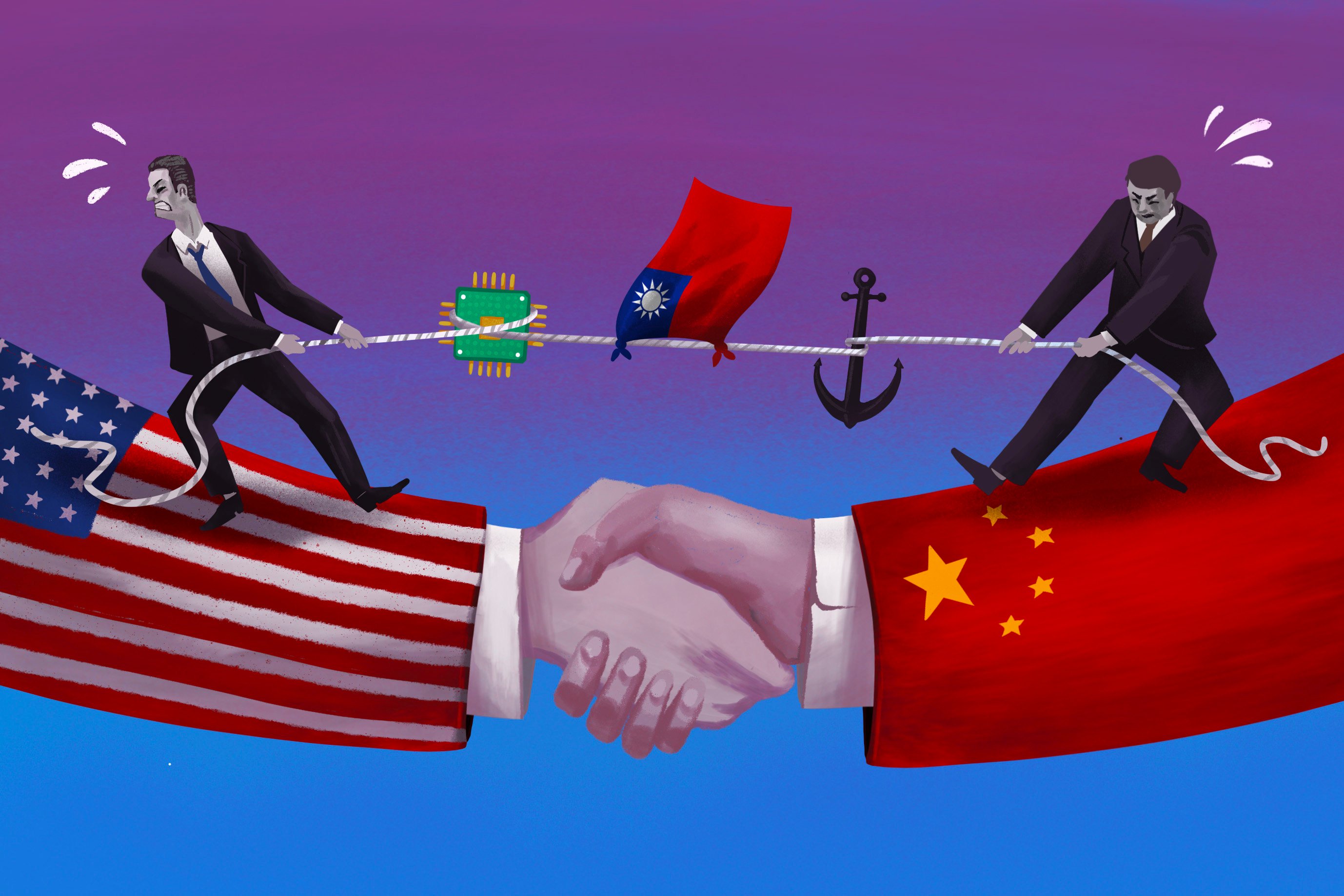
Speaking to reporters in Hanoi, President Biden clarified that U.S. actions are not driven by a desire to contain or isolate China but rather to maintain stability and uphold international rules. He underscored the need to move beyond Cold War paradigms, emphasizing that the primary objective is to foster economic growth and global stability. "I want to see China succeed economically, but I want to see them succeed by the rules," he affirmed.
Beijing has already expressed its unease with signs of improving ties between the U.S. and Vietnam, characterizing them as evidence of America's persistence in a "cold-war mentality." However, experts suggest that Vietnam has carefully weighed its options, viewing the agreement with the United States as more symbolic than substantive in terms of immediate impact.
The Symbolism of the Vietnamese Dream
While the Comprehensive Strategic Partnership may carry symbolic weight, it holds the potential for substantial benefits, including enhanced economic cooperation and reduced reliance on China for Vietnam.
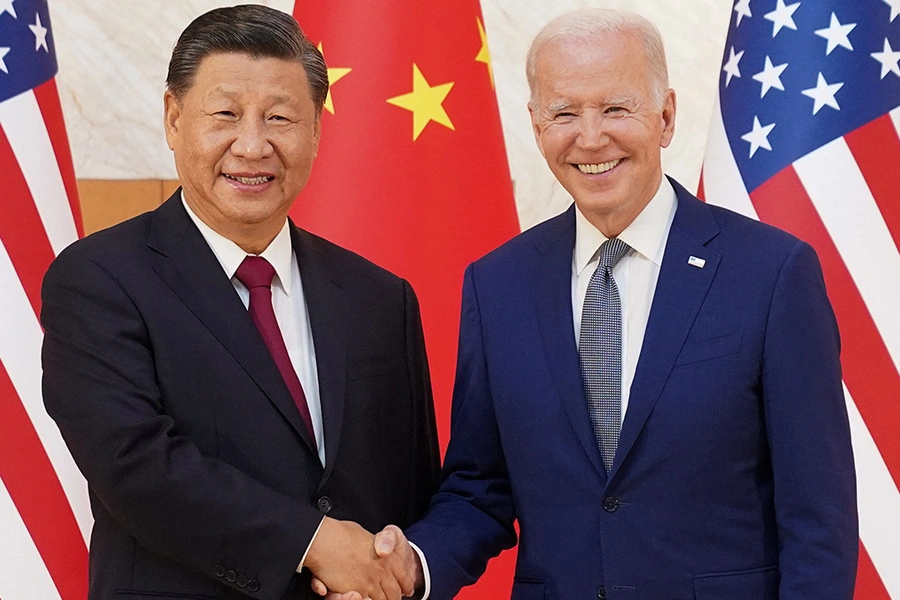
Vietnam boasts a youthful and highly educated workforce, fostering an entrepreneurial spirit that is exceptionally appealing to U.S. investors, especially those seeking to diversify their manufacturing bases away from China. Major corporations like Dell, Google, Microsoft, and Apple have already shifted segments of their supply chains to Vietnam in recent years. Additionally, the United States sees Vietnam as a promising market for weapons and military equipment as Hanoi endeavors to lessen its dependence on Moscow.
Furthermore, Washington is eager to assist Vietnam in becoming an integral part of the global semiconductor supply chain and expanding its electronics sector. These areas have become contentious as the U.S. seeks to limit China's access to advanced technology.
In summary, President Biden's visit to Vietnam and the Comprehensive Strategic Partnership signal a significant step toward stronger bilateral relations, regional stability, and economic growth, all while emphasizing that the United States' intentions are grounded in cooperation rather than containment. While symbolic, this partnership carries the potential to reshape economic dynamics in the region and reduce Vietnam's reliance on its giant neighbor to the north.
Comments
Post a Comment